Tips for Serving Juicy Chicken Every Time
As any operator knows, not all chicken is created equal. And because it’s a lean protein, chicken is uniquely prone to overcooking. When heated too long, muscle fibers tighten, squeezing out moisture and leaving the meat too dry to enjoy.
Overcooking is also an operational cost: excessive shrinkage and wasted product can lead to lost repeat business.
But by understanding how to properly handle different chicken formats and equipment, you can create perfectly juicy results and consistently satisfied customers. Here are simple, repeatable ways to protect moisture and your bottom line.
Preparing for Maximum Juiciness Using Fully Cooked, Partially Cooked, or Raw Chicken
Fully Cooked Chicken
For speed, safety and labor savings, nothing beats fully cooked chicken. Plus, many fully cooked products are crafted to be prepared straight from frozen, with no thawing required. The primary goal is to bring the product to a food-safe temperature (165°F) and stop. (Heating past 165°F will dry out the meat.) Use a meat thermometer in the thickest part of the piece for precise results.
By Deep Fryer: Remember to maintain consistent oil temps and avoid overcrowding the basket to properly amplify color and lock in moisture.
By Oven: Even spacing is essential. If using a conventional oven, flip the chicken halfway through. In a convection oven, focus on high heat and short cook times. For combi-ovens, start with steam to retain moisture, then finish with dry heat for a crispy exterior if using breaded chicken.
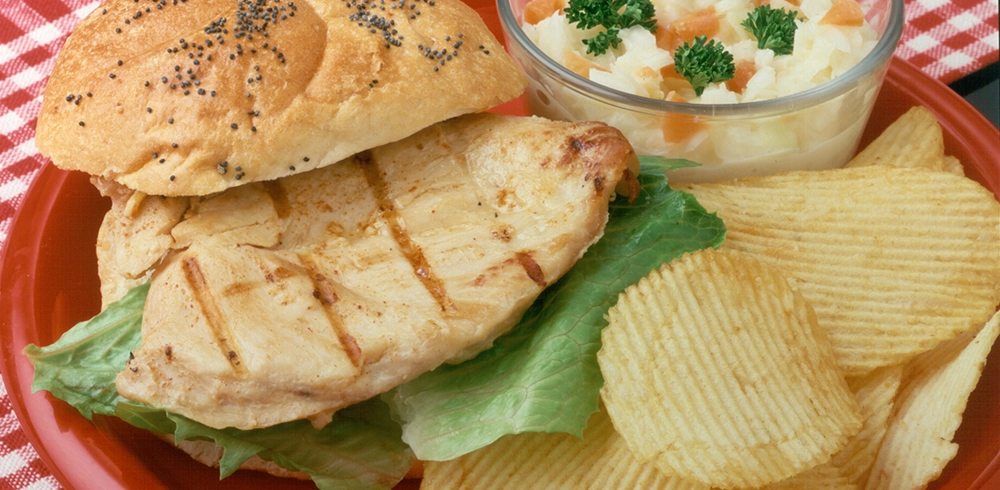
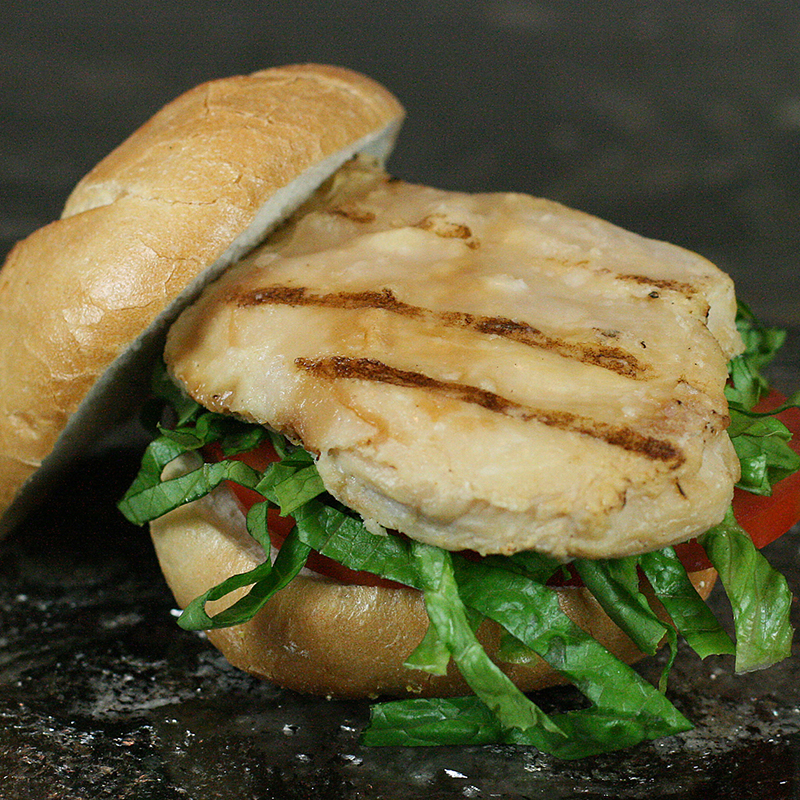
By Grill: Use high heat to get those eye-catching char marks on filets or strips without overheating and drying out the core.
By Air Fryer: Space is key. Avoid overcrowding the holding basket, or the chicken can steam and become soggy, compromising breading. Flipping halfway through can help, too.
Partially Cooked Chicken
Par-fried or pre-browned chicken is fried but still raw on the inside. It gives you a head start on prep while allowing for a more scratch-style experience. Because the interior is raw, paying attention to temperature is vital, so use your meat thermometer to check the thickest part of the chicken for that 165°F mark.
By Oven: Use perforated pans for optimal airflow beneath the chicken, preventing a soggy underside. (This also reduces the temptation for new staff to overcook just to get the bottom crispy.)
By Deep Fryer: Watch the bubbles. When the bubbling slows down, it means the internal moisture has nearly left the chicken and is ready to be pulled out.
By Air Fryer: Flip par-fried tenders or filets halfway through to ensure even moisture loss and uniform crispiness on both sides.
Raw Chicken
Raw chicken gives you maximum culinary flexibility but requires the most attention to food safety. Remember that internal temps will still rise even after the chicken is removed from heat. Here, meat thermometers are essential. Find the thickest part of the meat for the most accurate temperature check.
By Grill: Start on high heat to get a sear, then quickly drop the heat or move the chicken to a cooler zone on the grill to finish cooking. This avoids a burnt outside and undercooked interior.
By Oven: Since raw chicken needs longer bake times, brining or marinating beforehand can help retain moisture. Basting and glazing during baking will also keep it moist.
Tips by Format
While the pre-cook level of chicken is important, the format is key when thinking about preparation. For example, a thick filet requires an entirely different approach than diced chicken.Filets: Because of their thickness, the challenge is ensuring the center reaches temperature without the thinner edges drying out.
- Lay flat and evenly spaced to prevent curling.
- If grilling or pan-searing raw filets, use portion-controlled filets to ensure every piece cooks at the same rate.
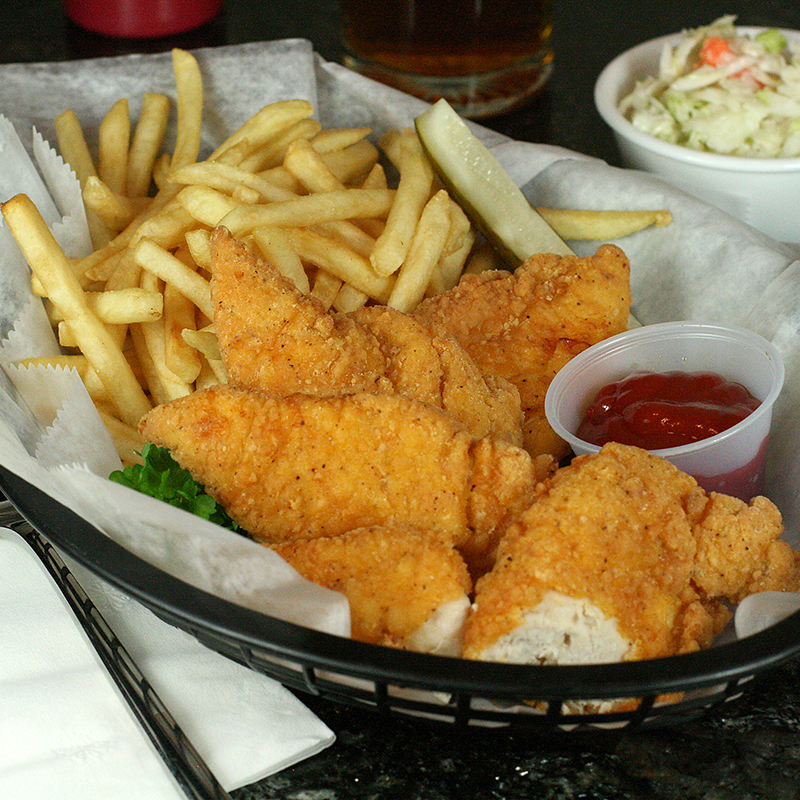
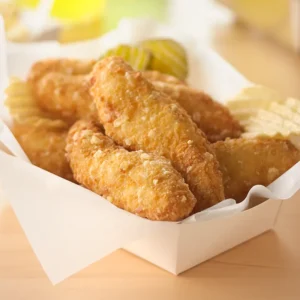
Tenders and Strips: Because of their high surface-area-to-meat ratio, tenders and strips formats can quickly turn dry.
- Keep an eye on them—tenders cook very fast.
- If frying, gently shake baskets at the start of the cycle to keep tenders from sticking together.
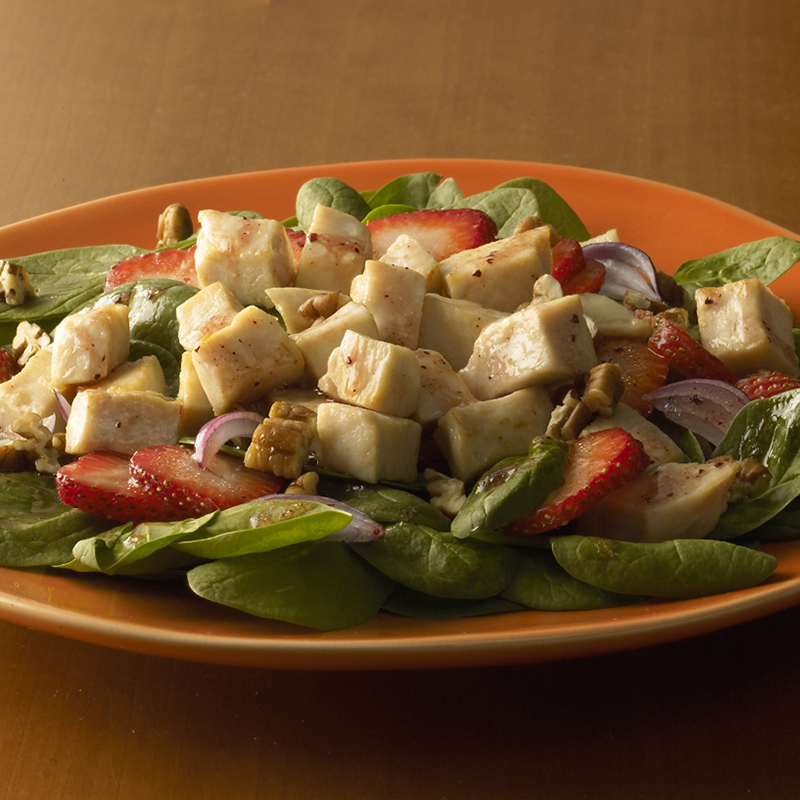
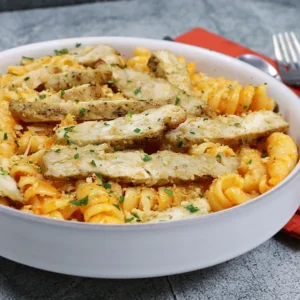
Sliced, Diced, or Pulled: Smaller formats are prone to moisture loss because so much of the meat is exposed to air.
- Heat rapidly over high heat rather than a slow bake.
- Consider a sauce, glaze or light broth during the heating process.
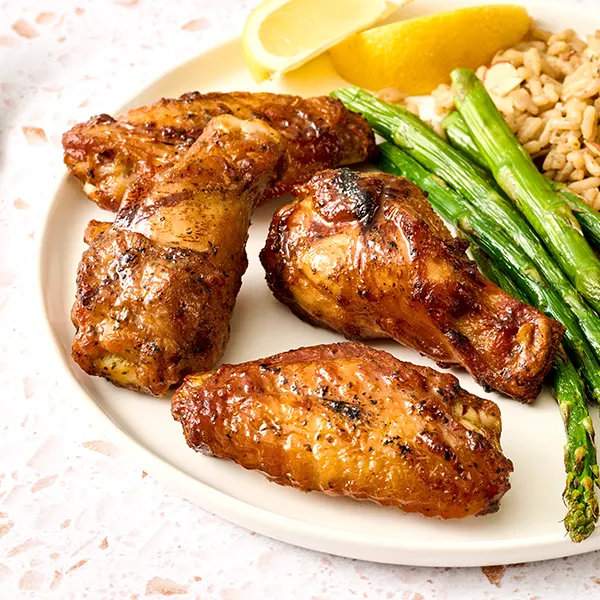
Wings: Bone-in wings retain moisture better due to higher fat content, while boneless wings do not.
- Bone-in wings can handle a slightly longer cook, great for crispiness.
- Boneless wings should be pulled as soon as they reach temperature.
- Consider tossing in sauce to act as a barrier, locking in the remaining moisture.
Holding After Heating: Preserving Quality Past the Kitchen Line
To-Go and Delivery Orders: Use vented packaging instead of placing hot, juicy chicken directly into a completely sealed container. The trapped steam will continue to cook the chicken while ruining the crispy breading.
Hot Cases and Warmer Cabinets: For buffet lines, cafeterias, and grab-and-go stations, target a low-to-medium humidity level for breaded items. Too much humidity will make the breading too soggy, and too little turns chicken into leather.
Restaurant Pass Areas: Don’t hold chicken too long under heat lamps or on heat bases to avoid drying out.
Know Your Formats: Remember that items like bone-in wings hold moisture longer while lean items, like tenders, do not.
Test, Train and Refine
Because different chicken varieties and formats call for entirely different heating methods, the best thing you can do for your operation is to test your tactics, train your team, and continuously refine your back-of-house processes.
Teach new kitchen staff early on about the cues of overcooking and the importance of tracking temperatures. For extra chances of success, look for preparations that protect against dryness, like brining, basting, or tossing in a sauce.
Want more tips or menu recommendations? Reach out below! We’ll help you make the best decisions for your specific kitchen layout, volume level, and staff dynamic.